Labour inspections are increasing across South Africa as government strengthens enforcement against unlawful employment practices. Construction managers need to be able to account for every person on site, with accurate attendance records and the supporting employment documentation that inspectors may request. The crucial issue is not whether records exist somewhere, but whether the business can produce connected, verifiable records when asked.
What Inspectors May Check on Construction Sites
Workplace inspections can involve officials responsible for employment, tax, and immigration compliance. Their checks can include whether workers are lawfully employed, whether employer registrations are current, and whether identity and work-authorisation records are in place where they are required.
For construction managers, the practical standard is clear: be able to identify every active worker, explain their relationship to the business or subcontractor, and produce the attendance and employment records that support that answer. Subcontractor workers should not become a documentation blind spot simply because another business employs them.
Why Your Site Register Must Link Identity to Attendance
A site register that captures names and hours alone is weak evidence. A defensible record connects each worker's presence to a verified identity and their employment documentation, while keeping a clear record of when and where attendance events occurred.
Paper sign-in sheets create a documentation gap at exactly the wrong moment. If a record cannot confirm who the person is, when they were present, and whether the business has the supporting employment documentation, it is difficult to rely on under scrutiny.
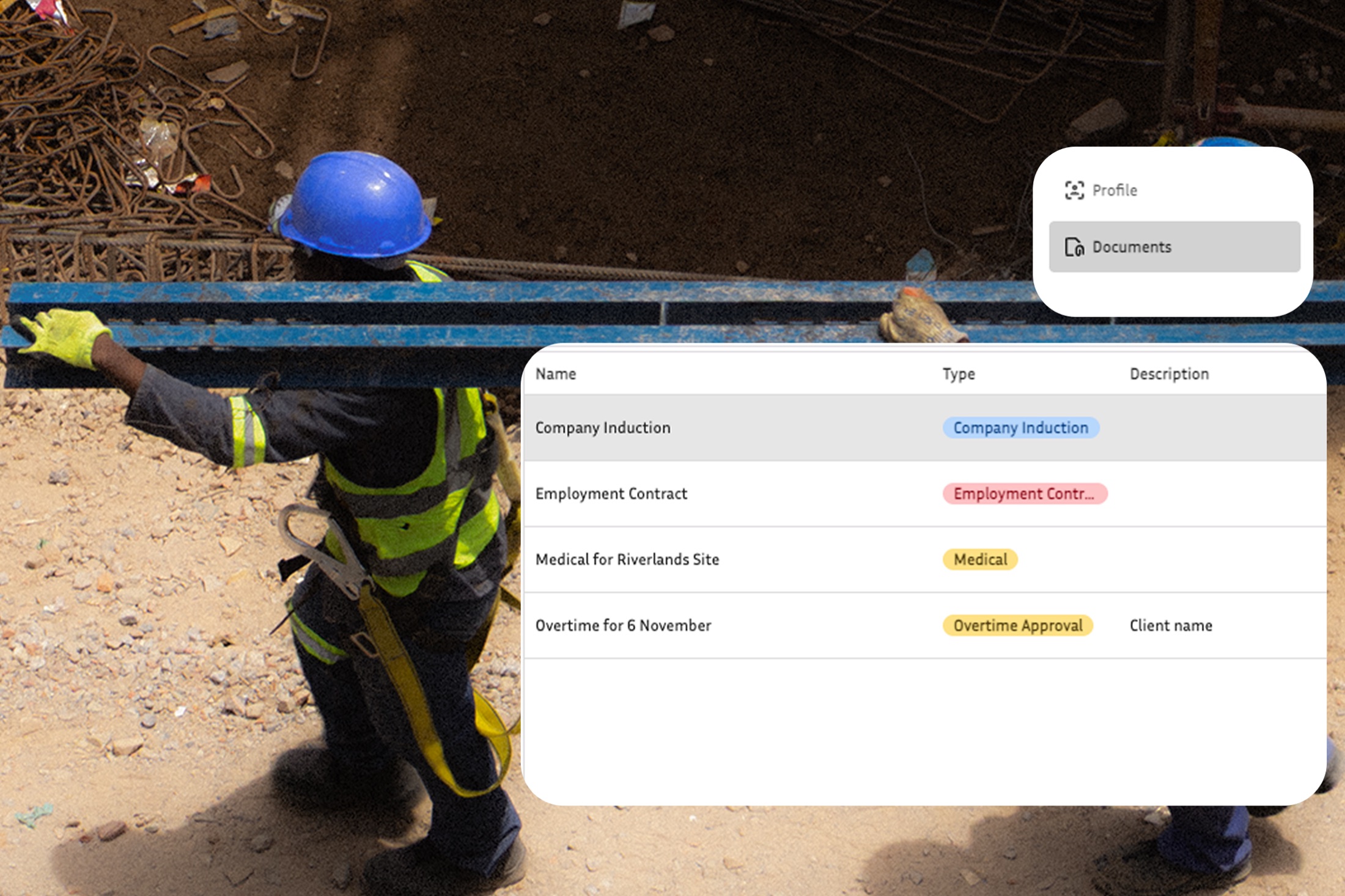
A complete employee onboarding process closes this gap before an inspection happens. When a worker's identity and documents are collected, checked, and connected to their attendance profile from day one, each subsequent record has a clear audit trail behind it.
Why Paper Timesheets Don't Hold Up
Paper timesheets have one fundamental problem under inspection scrutiny: no one can independently verify them after the fact.
An inspector cannot confirm that the person whose name appears on a paper record was actually present on site. They cannot confirm the time was recorded accurately, or that the record was not adjusted between the day it was written and the day it was produced.
There is a practical problem too. Construction managers running multiple active sites need to retrieve specific employee records quickly during an unannounced visit. Searching through paper files, spreadsheets, or message threads while an inspector waits is not a defensible position.
What Verified Clocking Evidence Can Show
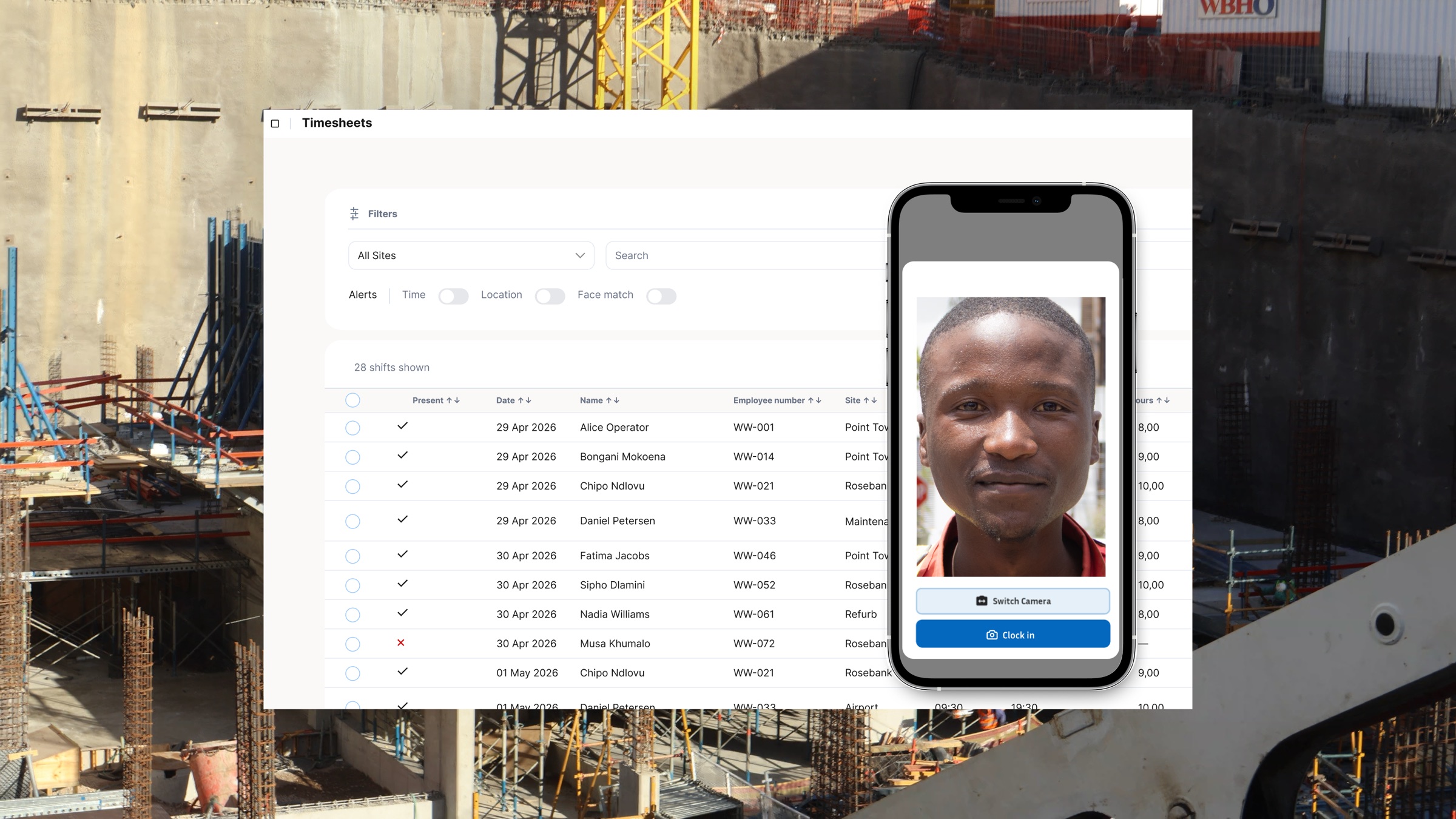
A verified employee clocking system creates a record type that paper cannot replicate. Each clock event can provide a timestamp, a location record, and a face-matched photograph associated with the worker's profile.
That combination helps demonstrate who was present, where the attendance event occurred, and when it was recorded. When those records connect to the worker's onboarding documentation, managers have an audit trail from the worker's first day on site.
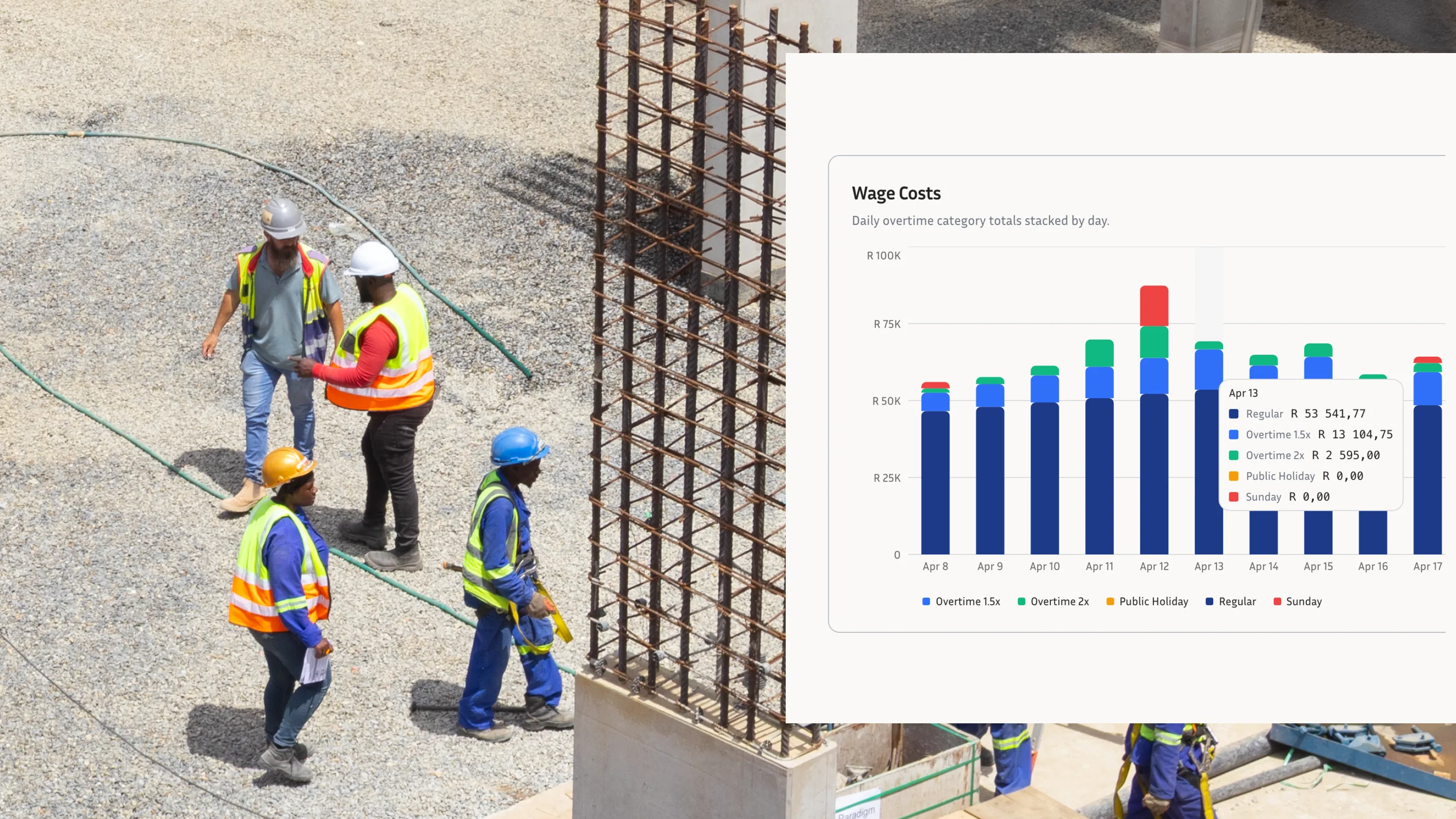
Workweek's employee authentication feature builds this trail into every clock event. Face ID verification matches the person clocking in to their stored profile. GPS validation records the location at the moment of clock-in, while a central dashboard keeps the records accessible without manual data capture.
What to Check Before an Inspection
First, check whether every active worker has a face-verified digital attendance record connected to their employment profile. A name in a system without verified clock history creates a gap worth fixing.
Second, confirm that onboarding and employment documentation are complete before anyone begins work, including workers supplied by subcontractors. Keep the supporting records current and easy to retrieve.
Finally, test whether your team can pull attendance records for any specific date from a single dashboard. If the answer involves phone calls to supervisors or searching through separate site folders, the process needs strengthening.
Attendance Records That Stand Up to Scrutiny
With workplace inspections increasing, construction sites need records that are accurate, connected, and accessible. Verified facial clocking, complete onboarding, and a central attendance system give managers a practical way to prepare before any inspector arrives.
If you want to see how Workweek builds that audit trail from onboarding through to payroll review, book a demo.