Construction site inspections are becoming a more visible part of compliance enforcement. Most businesses caught during these inspections are not missing records entirely. They are caught because their records exist in separate places and cannot be connected together at the moment an inspector asks.
What Labour Inspectors Check During a Construction Site Visit
When an inspection team arrives on site, the request is immediate: produce your site register and account for every person present. Depending on the inspection, officials may check identity documents or passports, work permits and visa status where applicable, employment contracts, and attendance records.
For foreign nationals, a business needs to ensure that workers have the authorisation required for their employment. Inspectors can also cross-check attendance records against the people physically present. If someone has been working for two weeks and the business cannot show a verified, timestamped record of their presence with a confirmed identity, the record will be difficult to defend.
BCEA record-keeping requirements oblige employers to maintain accurate, accessible employment and attendance records. An inspector visit is not the moment to discover that the business cannot produce them.
The Three Documentation Gaps That Create Exposure
Most construction businesses have some documentation in place. The gaps concentrate in three specific areas, and all three are onboarding failures.
Gap one: identity is collected but not verified and linked. Workers are added to a site register or timesheet without the business holding a verified copy of their ID or passport tied to their attendance record. Capturing an identity photo at onboarding and linking it to every subsequent clock-in closes this gap at the source.
Gap two: work permit copies exist but validity is not confirmed before the first shift. A permit may have been uploaded or collected, but no one confirmed whether it remains current. The onboarding documentation process needs a validity check before day one, not as a catch-up exercise after an inspection begins.
Gap three: subcontractor workers fall outside the documentation system. If a subcontractor brings workers onto a site, those workers appear on the site register and need to be accounted for. Their relevant identity and employment records should be available before any of those workers clock in.
Why Your Records Need to Be Connected, Not Separate
A folder of scanned documents is not an audit trail. Inspectors need proof that documentation matches the attendance record, and that both were created in real time. Three records stored in different places that cannot be linked to each other are difficult to use as evidence under scrutiny.
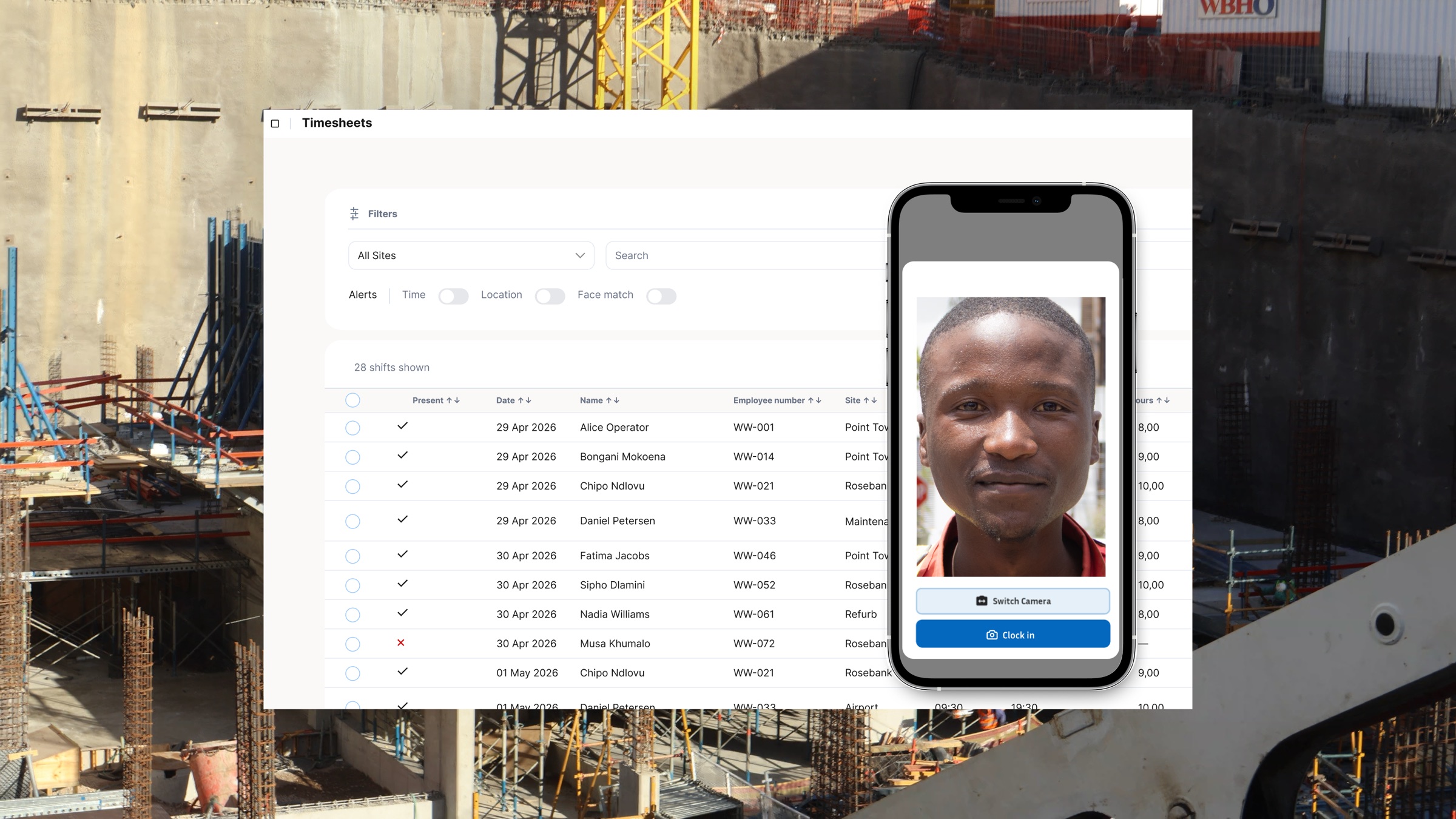
The combination that helps protect a business is specific: a face-verified clock-in tied to an employee profile that holds identity documentation, with a geo-tagged timestamp on every attendance event. When an inspector asks whether a specific worker was on site on a particular date, a complete, linked record answers that question without delay.
For businesses running high-turnover construction sites, this is where exposure concentrates. Workers cycle through faster than documentation gets updated. The gap accumulates at onboarding, and it stays hidden until the moment it creates a problem.
Building the Audit Trail From the First Clock-In
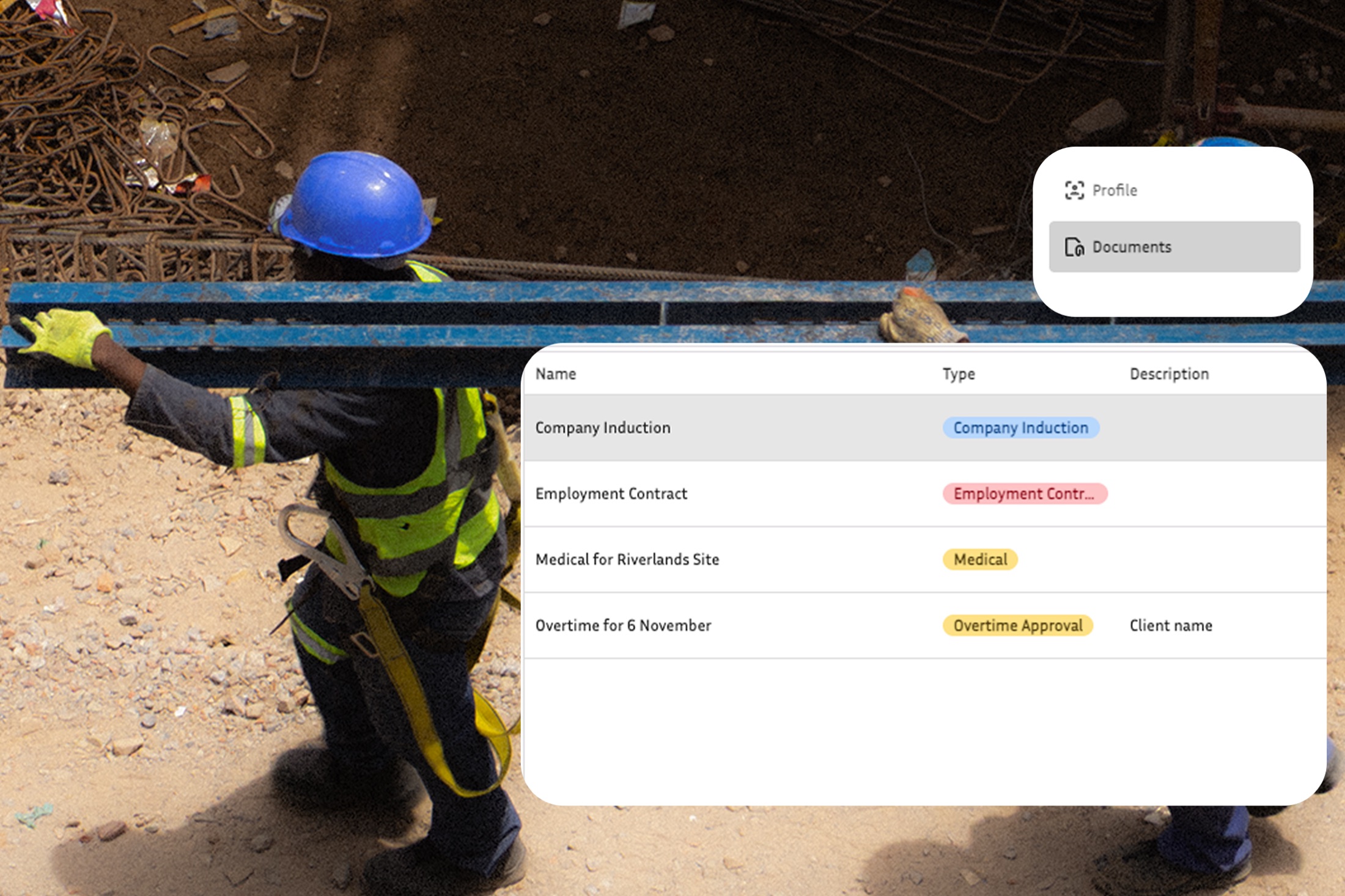
Workweek builds the verification record at the moment a worker is added to the system. An identity photo is captured and attached to the employee's profile during onboarding. Every clock-in from that point requires a face-verified selfie, which is geo-tagged and timestamped automatically. Supporting documents, including IDs, work permits, and contracts, attach to the same profile and are accessible from the admin dashboard at any time.
When an inspector arrives on a site where Workweek is in use, the site manager can open any worker's profile and show identity verification, document status, and a complete timestamped attendance history. That record exists because it was built from day one, before any inspection was announced.
The employee authentication feature converts onboarding into audit-ready evidence. Without face-verified clocking tied to identity and documentation, attendance records and compliance documents remain two separate systems that cannot support each other when the pressure is on.
Your Three-Step Onboarding Audit
Before your next crew rotation, run three checks. First, confirm that every worker's identity photo is captured at onboarding and linked to their attendance profile. Second, verify that all work permits are current and confirmed valid before the first shift begins where they are required. Third, ensure that face-verified clocking is active from day one for every worker, including those brought by subcontractors.
Inspection readiness is now part of doing business in South African construction. The businesses that come through clean are those with a connected audit trail built before any inspector arrived. If the current system cannot produce that linked record for every person on site, book a demo with the Workweek team to see what an inspection-ready audit trail looks like in practice.