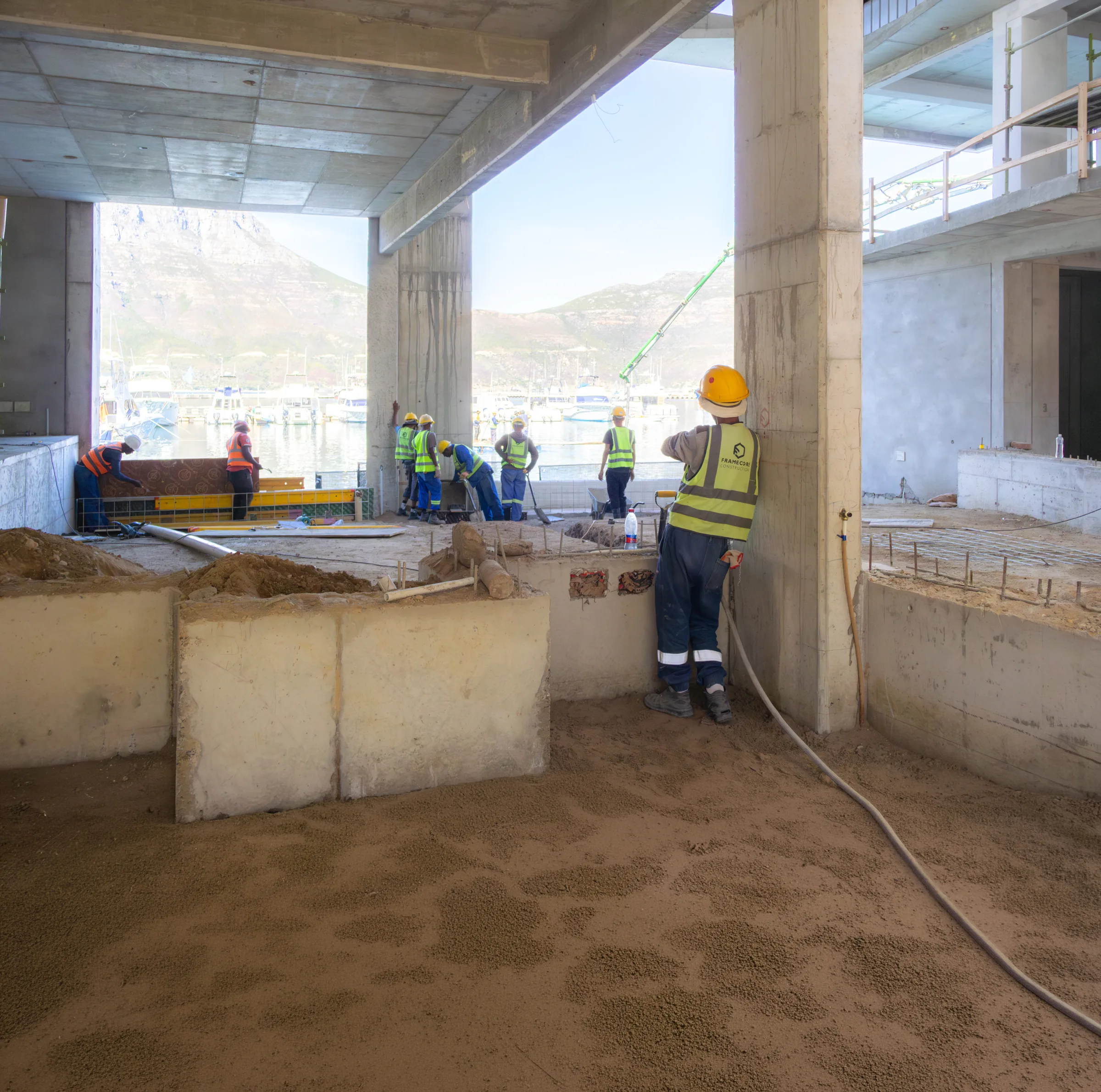
SARS is no longer a problem you can leave until the last week of reconciliation season. EMP501 submissions depend on complete and accurate employee tax details, and construction payroll teams running seasonal crews, day labourers, and subcontract workers are often sitting on the highest concentration of missing TRNs. This checklist tells you what to do before the May 31 window shuts.
What Changed for Payroll Teams
SARS validation has become stricter about missing or invalid Income Tax Reference Numbers. Payroll systems that passed an earlier reconciliation can still fail if the underlying employee record is incomplete, mismatched, or filled with placeholder data. The change that matters operationally is the same: a blank TRN is no longer a harmless field your team can patch later.
SARS introduced tighter validation as part of a broader effort to improve tax registration and certificate quality. For construction businesses, that maps directly onto casual labour headcount, seasonal civils crews, and anyone hired through a labour broker on a short-term engagement. Every worker listed on the EMP501 needs correct employee details before the filing will clear cleanly.
A common misunderstanding is that workers who fall below the income tax threshold do not need a TRN. That assumption creates risk. Payroll officers should treat complete tax reference details as part of the employee record even where PAYE deducted is low or nil.
Why Construction Businesses Face the Highest Exposure
Construction has structural features that create TRN gaps at scale. Workers move between sites and employers frequently, many have never been formally registered for PAYE, and the sector relies heavily on piece workers and daily-paid staff who may never have gone through a formal registration process with SARS.
The problem compounds on multi-site operations. A civils business running three or four active sites with different foremen capturing attendance on paper has no centralised record of which workers have been formally verified. A proper attendance management system that ties verified worker identity to a single centralised record is the only way to surface these gaps before they hit the EMP501 at reconciliation time.
Workers registered under mismatched details are a separate category of risk. In construction, it is common for a worker who has changed employers several times to have been registered with slightly different ID details across different payroll records. SARS cross-references identity details against its database, so a single-digit ID mismatch or a name spelled differently to the ID document can cause a record to fail validation.
Your TRN Audit Checklist Before May 31
- Export your full employee list from your payroll software. Pull every active employee and every worker paid at any point in the tax year. Include terminated employees, seasonal workers, and anyone whose last pay run happened months ago.
- Flag every record with a missing or incomplete TRN. Include empty fields, placeholder values, short numbers, and anything that does not match your payroll software South Africa validation rules.
- Cross-check ID numbers against SARS records through your normal eFiling or tax practitioner process. Many missing TRNs are existing registrations that were never captured by the employer.
- Register workers who have no existing TRN. You will need accurate identity and contact details, which is why employee documentation at onboarding matters.
- Correct mismatched records and allow enough time for SARS to process the update before relying on the corrected record in your EMP501 export.
- Update your payroll software with every confirmed TRN and regenerate affected reports where your payroll tool requires it.
- Run a pre-submission validation report and check every entry in the TRN column before filing.
What Your Payroll Software Needs to Do
South African payroll software should be flagging TRN gaps proactively, not waiting for you to run a manual audit six weeks before the deadline. Tools like SimplePay and Sage include validation rules that can catch missing or malformed TRNs before the final reconciliation export. If your current payroll software South Africa only surfaces these problems during the reconciliation export, you are managing compliance reactively.
The real weak point for most construction businesses is not the payroll software itself. It is the data that arrives in it. Payroll systems can only validate a TRN field if a TRN was captured at onboarding, and when workers are added mid-project using paper forms transcribed days later by a site administrator, TRN fields get skipped because no one at site level knows they are mandatory.
Labour law South Africa sets clear record-keeping obligations under the Basic Conditions of Employment Act, and complete employee registration details are part of the documentation standard every employer should be able to defend. A time and attendance software platform that integrates directly with payroll creates a single point of record for each worker from their first clock-in.
What Happens If You Miss the Deadline
SARS does not grant automatic extensions for EMP501 submissions. Missing the May 31 deadline can trigger administrative non-compliance penalties and additional scrutiny of the employer PAYE account. Penalties are not the only cost. A rejected or late EMP501 can create follow-up work across payroll, finance, and HR for months.
If you are close to the deadline and still have outstanding TRNs, prioritise volume and evidence. Register workers in batch where possible, correct the clearest mismatches, and document every attempt to close the gaps. A documented, good-faith remediation file is materially better than silence and a missed deadline.
Build the Process That Stops This Happening Again
The construction businesses that handle TRN enforcement without a scramble have one thing in common: their worker onboarding process captures ID documents and TRN details at first engagement, and their payroll records are updated within the same week. They are not running special compliance projects. They have built the data capture into normal site operations.
Getting there requires a clocking system for employees that is tied to onboarding rather than separate from it. When a worker's first clock-in creates a verified profile with mandatory fields, including identity document number and TRN, that information feeds directly into the payroll record before the worker earns a single rand. Workforce management software that links site-level clocking to centralised payroll records makes this possible without requiring additional administrative staff or new paper processes at site.
SARS will not roll back stricter data validation. Each reconciliation window from here carries the same risk for payroll teams that have not resolved their missing TRN exposure. Treat May 31 as the hard deadline it is, complete the audit steps above, then invest in the onboarding and payroll process that means you never run this audit under deadline pressure again.
WorkWeek helps construction businesses capture verified worker identity at first clock-in and feed complete, SARS-ready employee data into SimplePay and Sage before reconciliation season creates a crisis. If your payroll team is working through a TRN backlog right now, book a demo to see how the integration works for sites running seasonal and casual crews.