Government Gazette 54544, Notice 7384 set the BCEA earnings threshold at R269,600.90 per year with effect from 1 May 2026. That number matters because it determines which employees are automatically protected by several BCEA working-time provisions, including ordinary hours, overtime, Sunday work, and public holiday pay.
The previous threshold was R261,748.45. That means employees whose regular annual remuneration falls between R261,748.45 and R269,600.90 may now be back inside the BCEA overtime framework even if they were above the old line before 1 May 2026. For construction businesses, that is not a technical footnote. It changes how some workers must be paid from this month onward.
Which Workers Are Most Likely To Be Affected
Most general labourers, assistants, and many trades on construction sites already sit well below the threshold. The more likely movement happens around junior supervisors, experienced operators, and technical staff whose earnings have hovered near the old threshold figure.
If a worker is now at or below R269,600.90, the BCEA overtime protections apply unless another lawful exclusion clearly covers the situation. That means overtime beyond 45 ordinary hours per week must be handled under the statutory rules, not under an informal site practice or a stale spreadsheet formula.
How the Overtime Rate Changes the Pay Run
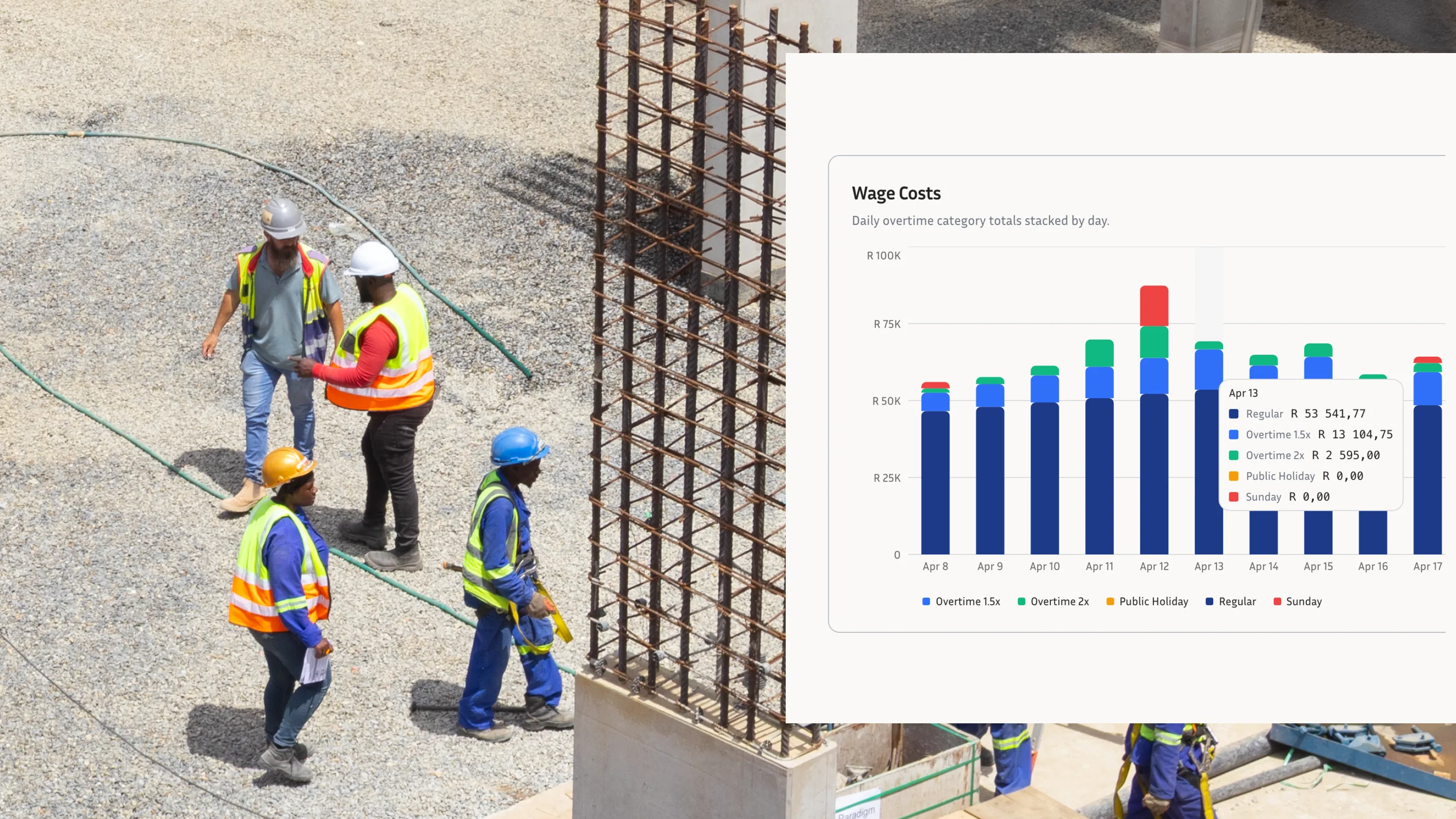
For affected employees, Section 10 of the BCEA still sets the core rule. Overtime beyond the ordinary 45-hour week is paid at one and one-half times the employee's wage, subject to the Act's overtime limits and written-agreement requirements. Sunday work and public holiday work follow their own BCEA multipliers as well, which is why one rate table cannot safely be applied to every weekend shift.
In practice, a worker who moved from just above the old threshold to just below the new threshold may now need premium pay for hours that the business previously treated differently by contract. That is exactly why an overtime calculator or payroll workflow should be threshold-aware instead of leaving the judgment to a manual check.
What Counts Toward the Threshold
The threshold test is based on regular annual remuneration before deductions such as tax or pension. Overtime payments themselves are excluded. Certain allowances and employer contributions are also excluded, so the correct answer does not usually come from glancing at a payslip total and guessing.
That matters because payroll teams often check the wrong figure. If you are using gross earnings that include overtime or other excluded amounts, you can misclassify someone as above the threshold when the law actually treats them as below it.
A Construction Payroll Checklist for May 2026
- Pull a list of every employee whose regular annual remuneration sits near the threshold range.
- Recalculate each of those employees against the new R269,600.90 figure using the correct remuneration components.
- Check whether valid written overtime agreements are current for employees who may lawfully work overtime.
- Confirm that your payroll settings apply the BCEA overtime rate South Africa requires for employees who now fall below the threshold.
- Review Sunday and public holiday settings separately rather than assuming the overtime rule covers every premium shift.
Why Time Records Matter as Much as the Threshold
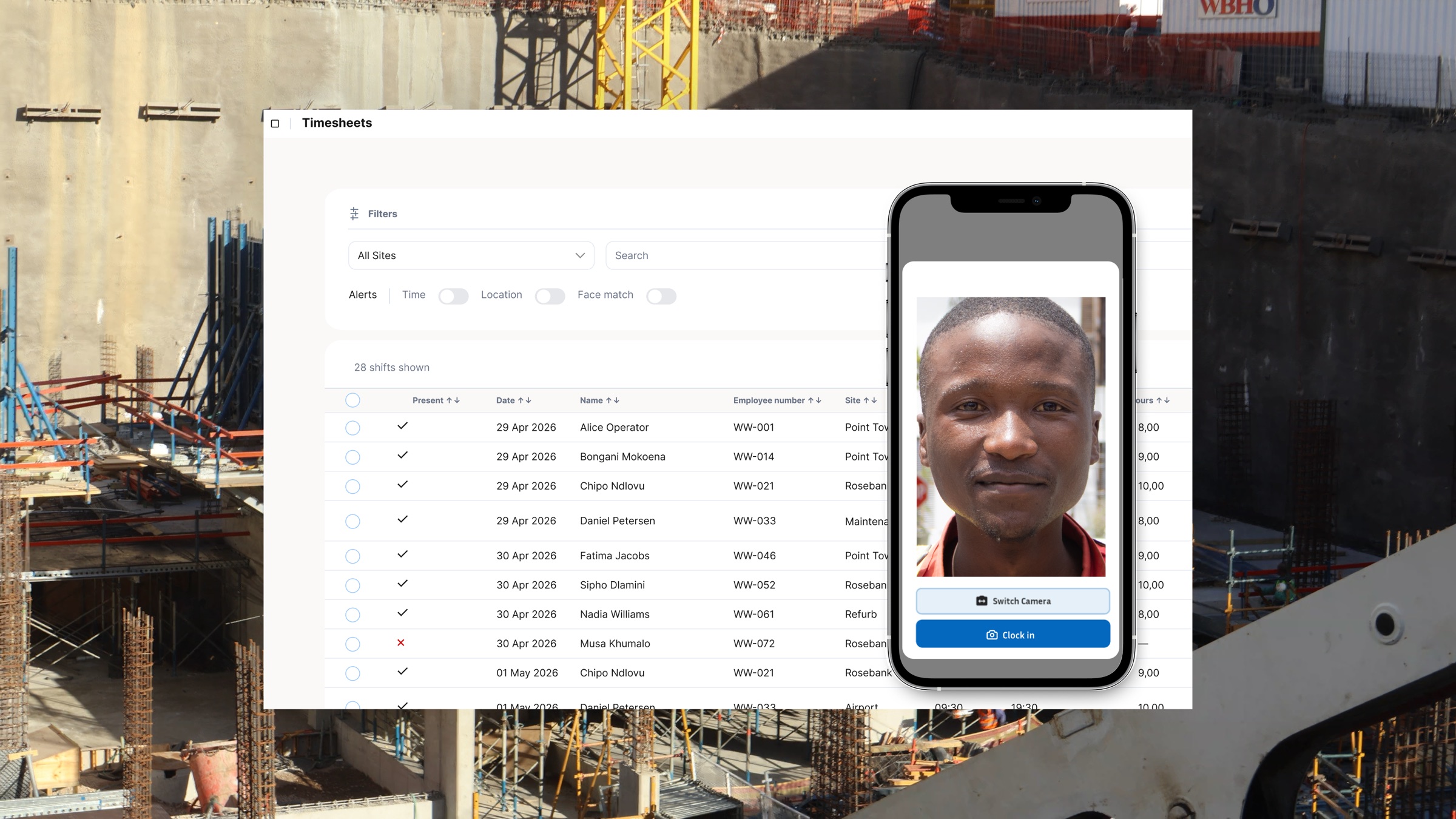
The threshold only tells you who qualifies. Your time records decide whether you can actually calculate and defend the pay correctly. If a worker disputes whether they worked 48 hours or 54 hours in a week, the legal threshold does not solve the argument. Accurate attendance records do.
For multi-site construction operations, the safest setup is one in which all hours flow from the attendance record into payroll with the threshold logic built in. That removes the manual step where an old figure sits in a template for months after the law has already moved on.
Recheck the Borderline Cases Now
The workers who just gained new overtime rights will not always be obvious at a glance. They are usually the people near the old line, not the people at the bottom of the wage table. If your business has not rechecked those roles since 1 May 2026, that review should happen before the next full payroll cycle closes.
The new threshold is live. The cleanest response is not to wait for a dispute. It is to identify the affected employees, apply the correct overtime rules immediately, and make sure your records can prove the calculation if anyone asks.