In construction, winning the tender is easy to celebrate and hard to question. It looks like growth. It sounds like progress. It gives the business something solid to point at.
But a construction contract can be profitable on paper and dangerous in practice. That is the trap. The job looks strong at award stage, then starts pulling cash out of the business long before the payment cycle catches up.
That was the thread behind one of the most useful conversations at Built To Win, an event we host for people working in construction and the built environment. The point was simple: contractors can win exactly the kind of work they were chasing and still end up under severe pressure if the pricing, cash flow assumptions, and delivery costs were wrong from the start.
Why construction tender pricing matters more than winning the work
That point lands because it is so practical. Pricing mistakes do not only hurt margins on paper. They create real operating pressure for established firms that win the work, mobilise, start on site, and then discover too late that the numbers underneath the contract cannot carry the job.
He shared one case in detail. By month two, the cash flow problem was already visible. Poor front-end loading. Costs running ahead of receipts. No real buffer. No room to absorb procurement pressure, labour burn, plant costs, or programme slippage. They won the contract. The contract killed the business.
How underpriced construction tenders destroy cash flow
This is what makes bad tender pricing so dangerous. The problem is not always execution. Sometimes the team can do the work. Sometimes the site runs well. Sometimes quality is fine. The damage begins earlier, inside the estimate, where labour is undercooked, prelims are too thin, plant is treated casually, and payment timing is assumed instead of tested.
An underpriced tender creates stress in stages. First, cash leaves faster than expected. Then retentions sit longer than planned. Then variations take too long to approve. Then small overruns start behaving like structural problems. By the time the project team feels the pressure, the pricing mistake has already moved through the business.
Basil Read and the margin lesson for South African contractors
Basil Read is the example many people still point to. One of South Africa's largest listed construction groups went into business rescue in 2018. Strong name. Major projects. Serious scale. Yet profile did not protect margin, and scale did not protect cash flow when the numbers underneath the work were too weak to survive overruns.
That matters because it reframes the risk. This is not just a small subcontractor problem. It is a construction pricing problem. It appears at different scales, in different forms, but the core issue is the same: winning work without fully understanding what it will cost to deliver.
A big pipeline does not make every construction job worth taking
The useful part of that message was not pessimism. It was discipline. The market is big. Cape Town alone has budgeted more than R12 billion in capital expenditure for 2025/26. There is real work available across infrastructure, civil works, building packages, and specialist subcontract scopes.
But a large pipeline does not turn a bad job into a good one. A tender only becomes valuable when the business can price it correctly, fund mobilisation, manage the payment cycle, and still protect gross margin after labour, supervision, procurement friction, rework, and delay risk are accounted for.
What to include in construction job costing before tender submission
This is where construction job costing becomes decisive. Too many estimates capture the visible costs and miss the operational ones. Materials are priced. Labour is guessed. Risk is softened. The spreadsheet looks neat. The delivery model does not.
A strong construction tender price needs to include more than direct cost. It needs to reflect how the job will actually move through site. Labour hours. Supervisor time. Plant hire. Site establishment. Transport. Security. Temporary works. Prelims and generals. Retentions. Variation lag. Procurement lead times. Weather exposure. Programme risk. The painful but necessary question is simple: what happens if this job takes longer, costs more, or gets paid later than expected?
- Direct labour hours
- Supervisor and management time
- Equipment and plant costs
- Transport, admin, and site overhead
- Risk, delays, and the buffer required to absorb them
That is the difference between turnover and survival. The tender value tells you what you won. It does not tell you what you made.
How to price construction work with better visibility
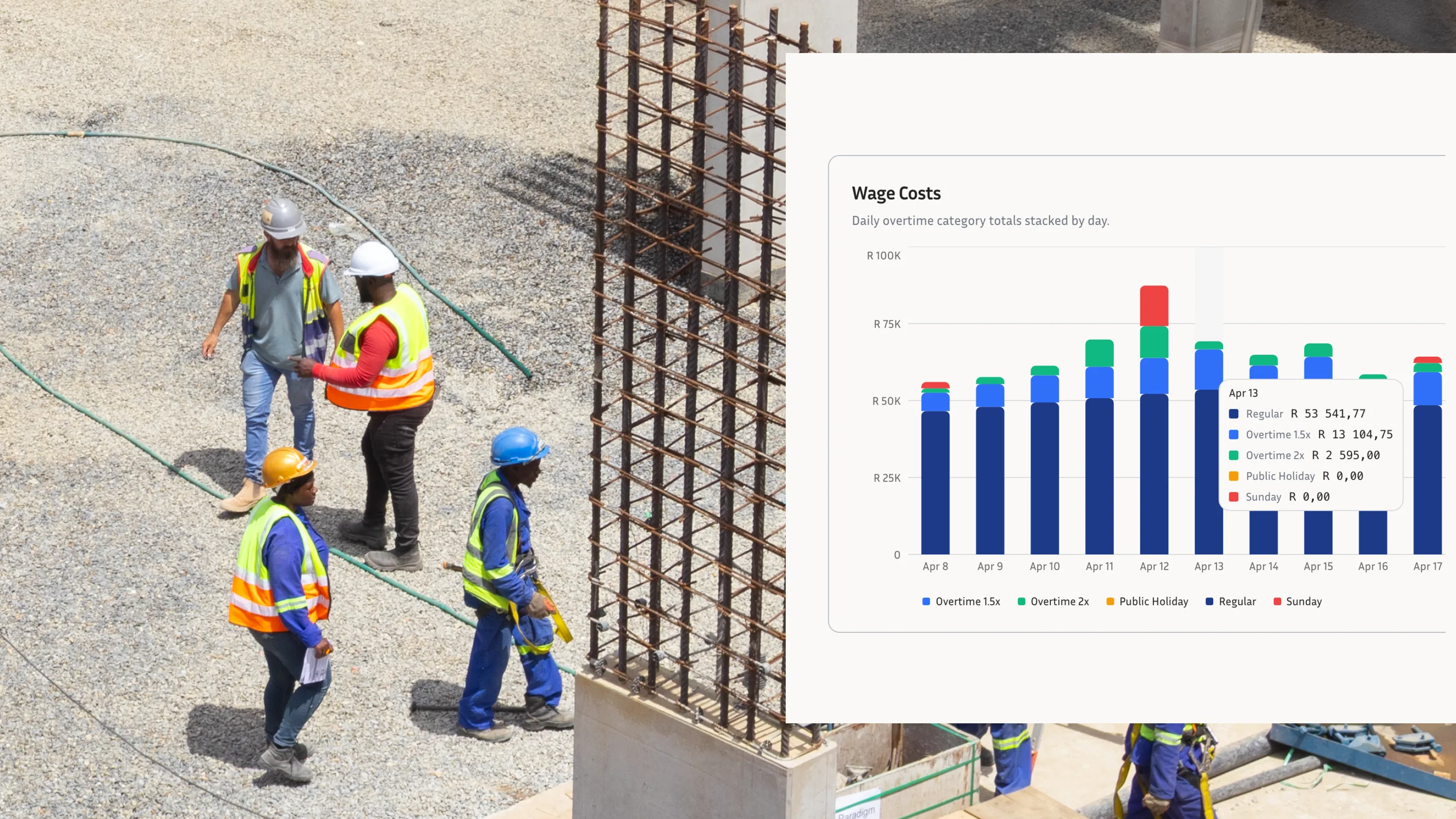
Better tender pricing starts with better operating data. If contractors and subcontractors do not have a clear view of labour time, site attendance, supervision load, and actual production patterns, pricing stays reactive. It becomes a negotiation exercise instead of a management discipline.
The businesses that protect margin best are usually the ones that understand their numbers before the tender lands. They know their labour cost. They know their cash conversion pressure. They know where site time is lost. And they know which jobs are worth chasing.
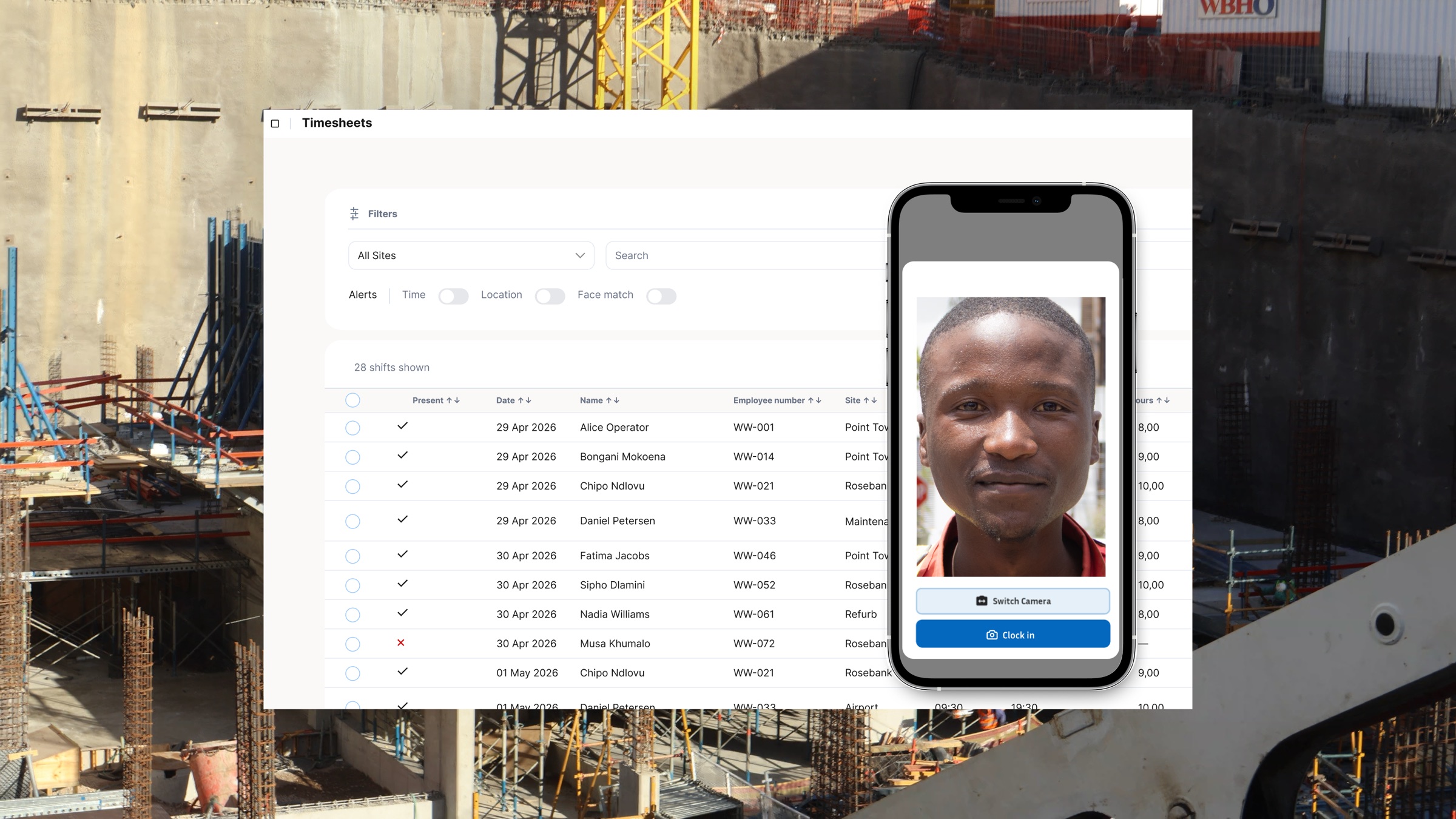
If you want to improve construction tender pricing with better labour visibility, speak to WorkWeek. We help South African contractors and subcontractors understand labour time, site activity, and the operating reality behind every job so pricing decisions are based on evidence, not instinct. Book a demo and see how better job visibility can help protect margin before the contract is signed.